Dilmon Serif Font: Retro Charm for Handmade Labels & Invitations
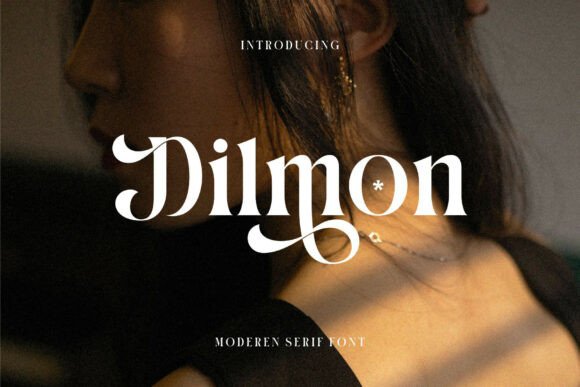
If you've ever held a vintage apothecary bottle, flipped through a 1950s recipe book, or admired hand-lettered café signage—you’ll instantly feel the warmth and character of Dilmon. This isn’t just another serif font. It’s a thoughtfully crafted retro serif typeface that balances nostalgic charm with playful sophistication—making it one of my go-to display fonts for physical products that need to stand out on shelves, in mailboxes, or on social feeds.
What makes Dilmon special for crafters? Its high-contrast strokes give it presence without sacrificing elegance, while its funky ligatures and whimsical swashes add personality where it counts—like on wedding welcome boards, boutique gift tags, or seasonal candle labels. I’ve used it for everything from farmhouse-style wall art prints to holiday mug designs—and every time, customers comment on how “intentional” and “thoughtfully designed” the typography feels.
Where Dilmon Shines in Your Physical Products
Dilmon works best as a display font—not for long paragraphs, but for short, impactful phrases that carry emotional weight or brand identity. Think: product names, shop banners, greeting card headlines, invitation monograms, or sign titles. Its retro serif structure reads beautifully at sizes above 24pt, especially when printed on textured paper or cut cleanly on vinyl for stickers and decals.
- Candle & soap labels: Pair Dilmon’s bold “D” or swashed “L” with a clean sans serif for ingredient lists—it creates instant hierarchy and premium perception.
- Wedding stationery: Use the alternate swash capitals for “Mr. & Mrs.” or couple names on save-the-dates; the ligatures (like “fi”, “fl”, “ct”) make script-like flow possible without switching fonts.
- Printable planner pages & digital downloads: Dilmon adds vintage flair to monthly headers or habit tracker titles—especially when layered over muted watercolor backgrounds.
- SVG designs for Cricut & Silhouette: The clean vector outlines hold up beautifully at small sizes (down to ~16pt for iron-on transfers), and the high contrast ensures crisp cuts on cardstock and heat-transfer vinyl.
- Farmhouse signs & wall art: Its slightly quirky proportions lend authenticity—not too stiff, not too loose—so it feels handmade even when digitally produced.
Readability Tips for Real-World Craft Use
Because Dilmon is a display serif font, readability depends heavily on context. On a 4x6" greeting card? Perfect—even at 36pt. On a 1" sticker? Stick to single words (“Joy”, “Love”, “Hello”) or initials. Avoid tight tracking or all-caps blocks below 20pt unless you’re using the simplified alternates (check your font menu—many retro serifs include “no-swash” versions for clarity).
For cutting machines: always convert text to outlines before exporting SVGs, and test-cut at your intended size first. Dilmon’s thin hairlines hold well on medium-weight vinyl, but avoid pushing below 12pt for intricate swashes—they can vanish or fuse during weeding.
Smart Font Pairing for Balanced Designs
Dilmon thrives alongside complementary fonts—not competitors. My most-used pairings:
- A relaxed handwritten font for quotes or callouts (e.g., “Hand-poured • Small Batch • Made with Love”). Dilmon handles the headline; the script adds warmth in supporting text.
- A neutral sans serif like Montserrat, Inter, or Lato for body copy, ingredient lists, or sizing charts. The contrast between Dilmon’s expressive serifs and clean geometry keeps layouts grounded and scannable.
- A minimalist serif (like Merriweather or PT Serif) for longer text blocks in printable kits—creates visual harmony without competing for attention.
Never force Dilmon into dense paragraphs. Its strength is intentionality—not utility. Let it introduce, invite, and elevate. Then step back and let simpler fonts do the work of informing.
What’s Included & What You’ll Actually Use
The Elegant Dilmon package includes standard OpenType features you’ll reach for often: stylistic alternates (for swapping swashes on demand), discretionary ligatures (great for invitations), and multilingual support covering Western European languages—enough for most Etsy shops, boutique labels, and bilingual wedding suites. File formats are standard (.OTF, .TTF), compatible with Canva, Adobe Creative Cloud, Cricut Design Space, and Silhouette Studio.
I always check the character set before designing—especially for accented characters in names or foreign-language packaging. Dilmon covers common diacritics (é, ñ, ü), which matters if you sell internationally or serve diverse communities.
Commercial Use: Yes—But Verify Your License
This is critical: Dilmon is a commercial font, meaning you can use it to create and sell physical products (stickers, mugs, tote bags), digital downloads (printables, Canva templates, SVG bundles), and client work (wedding suites, shop branding). But always confirm the license includes *extended* rights for merchandise and resale—some retro fonts restrict use on physical goods unless you purchase an upgrade.
I keep a note in my design folder: “Dilmon licensed for unlimited commercial use—physical + digital.” That peace of mind lets me focus on making, not worrying.
Why Dilmon Feels Like a Craft Tool—Not Just a Font
It’s rare to find a serif font that feels both nostalgic and fresh, decorative yet dependable. Dilmon doesn’t shout—it invites. It doesn’t overwhelm—it honors the object it’s on: whether that’s a linen wedding tag, a matte-finish planner cover, or a rustic wood sign hanging in a local boutique.
When your customer sees Dilmon on your packaging, they don’t just read your brand name—they sense care, continuity, and craftsmanship. That subtle lift in perceived quality? That’s Dilmon doing quiet, consistent work behind the scenes.
If you’re building a cohesive brand identity—or simply want one versatile serif font that pulls double duty across labels, invitations, and digital assets—Dilmon earns its place in your design toolkit. Not as decoration, but as intention made visible.