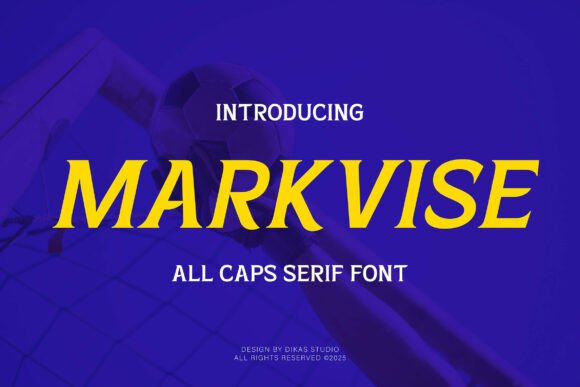
Cloudly Font: A Stylish Serif for Memorable Branding
As a small business owner who’s designed everything from coffee sleeve labels to Instagram story templates, I know how much a single font can shape how customers see your brand—not just on screen, but on shelves, in mailboxes, and at local markets. That’s why I’ve been using Cloudly across my branding toolkit: it’s a retro decorative serif typeface that feels intentional, warm, and quietly confident—without sacrificing clarity or versatility.
Cloudly isn’t just another ornamental font. Its clean serifs, balanced proportions, and subtle vintage flair give it presence without shouting. Think of it as the kind of typeface you’d trust on a handmade soap label or a café chalkboard menu—friendly enough for a neighborhood boutique, refined enough for a wellness coach’s website banner. The regular and italic versions work beautifully together, and the built-in alternates and ligatures let you add thoughtful detail where it matters most: your logo, product name, or social media highlight reel.
Here’s where Cloudly shines in real business use:
- Logos & signage: Use Cloudly for your business name in a storefront sign or website header—it holds up well at larger sizes and carries personality without feeling gimmicky.
- Packaging & product labels: Whether it’s a candle jar, tea tin, or skincare bottle, Cloudly adds craft and care. Its sturdy letterforms remain legible even at 8–10pt on small printed labels.
- Social media graphics: On Instagram posts or Pinterest pins, Cloudly stands out in thumbnails and stories—especially when layered over soft textures or muted backgrounds.
- Menus, flyers & in-store print: A local bakery I worked with used Cloudly for their seasonal menu headers and paired it with a clean sans serif for body text. Customers told them it “felt like the kind of place that bakes from scratch.”
- Thank-you cards & packaging inserts: Handwritten-style alternates in Cloudly make short messages feel personal—ideal for e-commerce brands wanting to deepen connection without extra design time.
Consistency is where Cloudly really pays off. When your logo, product tag, email subject line, and Instagram bio all share the same distinctive serif rhythm, customers begin to recognize your voice before they even read the words. That’s not magic—it’s smart typography applied deliberately. For example, a ceramicist uses Cloudly only for her studio name and collection titles, while keeping ingredient lists and care instructions in a neutral sans serif. The result? Her brand feels cohesive, human-scaled, and easy to follow.
Readability matters—and Cloudly delivers where it counts. It’s not meant for long paragraphs or tiny mobile footers, but it performs reliably in display roles: headlines, banners, packaging fronts, and digital ads. On mobile screens, it stays crisp and friendly—even in bold weight. And unlike some decorative fonts, its lowercase ‘a’, ‘g’, and ‘e’ are distinct and familiar, so names and short phrases stay instantly legible.
Before rolling Cloudly out across your entire brand, test it in context. Try it on a mockup of your actual product label (not just a white background). Paste it into your Shopify product page preview. Drop it into a Canva Instagram post template and zoom out to thumbnail size. See how it pairs with your current color palette and photography style. Does it elevate—or compete? You’ll know within minutes.
Font pairing is simple with Cloudly. Because it’s a decorative serif, it works best as your accent or headline typeface—not your workhorse. Pair it with a clean, highly readable sans serif (like Inter, Montserrat, or Lato) for body copy, forms, and navigation. Or try it alongside a quiet, warm serif (like Merriweather or PT Serif) if your brand leans more literary or artisanal. Avoid stacking it with other decorative fonts—Cloudly has enough character to carry the spotlight on its own.
Real-world tip: A candle maker switched from a generic script font to Cloudly for her jar labels and saw an immediate lift in perceived value. Her wholesale partners commented that the packaging “looked like it belonged in a curated gift shop”—not a big-box retailer. That shift didn’t come from new photography or a rebrand budget. It came from choosing one thoughtful serif font and using it with discipline.
If you’re building a brand identity from scratch—or refining one that’s starting to feel scattered—Cloudly offers a rare balance: expressive enough to stand out, grounded enough to build trust. It’s not flashy. It doesn’t try too hard. But it does signal that you pay attention—to details, to tone, to how people experience your business in everyday moments.
One last practical note: Always confirm the commercial license before using Cloudly on physical products, packaging, templates you sell, or client projects. Most reputable font vendors clearly state usage rights—and Cloudly’s license covers exactly the kinds of uses small businesses need: printed goods, digital ads, web embeds (with proper hosting), and resale items like stickers or mugs. Just double-check before you press “print” on 500 labels.
At the end of the day, your font isn’t decoration—it’s part of your brand’s first impression, its tone of voice, and its quiet promise of quality. Cloudly helps you keep that promise across every touchpoint, without asking for extra time or design expertise. It’s the kind of serif font that works as hard as you do—stylish, steady, and sincerely useful.